
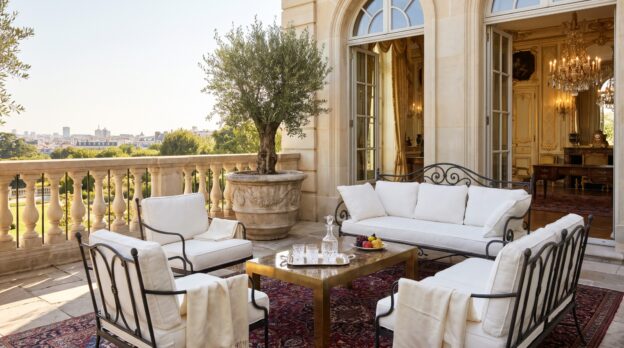
The terrace of a grand hotel follows a clear grammar: furniture in classical proportions, materials that tolerate patina, and a restraint that leaves room for conversation and views. Nothing cries out for attention, nothing seems arbitrary. Instead, a composition of metal, stone and wood that subordinates itself to the garden whilst simultaneously framing it. Those who wish to bring this atmosphere to their own terrace need not square metres like a resort, but rather a sense for material, proportion and the right dose of restraint.
The difference between a terrace and an outdoor hotel lounge rarely lies in size, but often in consistency. Grand hotels rely on furniture that still looks good after years, on surfaces that withstand weather, and on a colour palette that does not change with every season. Casa Padrino translates this attitude into collections oriented towards historical models: wrought iron chairs with filigree backrests, tables with stone tops, benches made of solid teak. The result is a terrace that does not appear decorated, but furnished.
Wrought iron and marble: the classic pairing
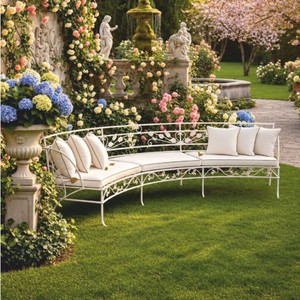
If Garden Furniture is to evoke a southern French château, there is scarcely a way around wrought iron. The material ages with dignity, develops a matte patina and harmonises with almost any environment. The workmanship is decisive: legs and struts should be slender but not thin, connections cleanly welded or riveted. Backrests may be ornamental, as long as the ornamentation follows a recognisable pattern and does not proliferate wildly. A round table with a marble top, surrounded by four chairs with curved armrests, is often sufficient to set the tone.
Marble brings coolness and weight, two properties that are welcome in summer. Carrara or travertine suit light iron, darker varieties such as Nero Marquina suit anthracite-coloured frames. Important: the top should be thick enough not to appear fragile, at least three centimetres. Those who shy away from marble choose granite or slate, both equally durable but more matte in appearance.
From the Casa Padrino collection
Teak: the quiet classic
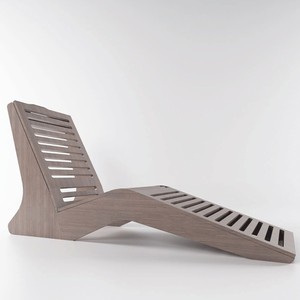
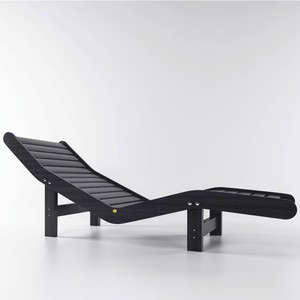
Teak is the material that grand hotels have been using on pool terraces and roof gardens for decades. It does not rot, hardly warps and develops over time a silver-grey surface that looks more distinguished than any paint. Casa Padrino offers teak furniture in clear, reduced forms: loungers with flat profiles, armchairs with wide armrests, benches without flourishes. The proportions are generous but not bulky, the seat height low enough to signal relaxation, high enough to stand up comfortably.
Teak harmonises well with textiles in natural colours: linen in beige, sand or grey, possibly a dark navy blue as an accent. Cushions should be firmly stuffed and have clear edges, not soft, overflowing forms. Those who dislike the silver patina can oil teak, but that means maintenance. Most grand hotels simply let the wood age.
Planters as architecture
Large Flower Pots are not decoration on hotel terraces, but room dividers. They structure surfaces, create privacy screens and set vertical accents. Volume is decisive: a planter should hold at least fifty litres, preferably more, so that the plant within gains weight. Terracotta works in Mediterranean settings but weathers quickly. Zinc or galvanised metal remains neutral, suits cool colour palettes and is easy to combine. Stoneware in dark glazes, anthracite or black, appears modern and restrained at once.
The planting follows a simple rule: better few varieties in repetition than a colourful jumble. Box, lavender, grasses or olive trees suffice. Height is important: plants should exceed the planter by at least one and a half times, otherwise the composition appears squat.
Lighting: indirect and ground-level
Grand hotels never illuminate terraces from above, but rely on floor lights, lanterns and indirect sources. Candles in hurricane lamps made of glass or metal, oil lamps on tables, LED spotlights that illuminate planters from below. The light should create atmosphere, not illuminate. Those who use electric lights choose warm white light and dimmable models. String lights are permitted if they run discreetly and do not flash.
Lanterns should be simple: clear lines, matte metal, no frills. They stand on the floor, on side tables or hang from hooks set into the wall. It is important that they do not obstruct and that the light remains soft. Too many light sources destroy the calm, three to five suffice for a terrace of twenty square metres.
Textiles: linen, no patterns
Fabrics on the terrace should be robust and dry quickly. Linen fulfils both criteria and looks like interior design. Tablecloths, napkins, cushion covers: everything in muted tones, preferably in one colour family. Stripes are permitted if they are narrow and low in contrast. Floral patterns, checks or bright colours do not suit an aesthetic designed for permanence.
Throws made of cotton or linen lie over chair backs or on loungers, within reach for cooler evenings. They should be large enough to wrap oneself in and heavy enough not to blow away with every gust of wind. Here too: better two or three high-quality pieces than a whole stack of thin blankets.
Accessories: less is the rule
The right Garden Decoration makes the difference between a furnished terrace and a storage area with furniture. But grand hotels rely on reduction: a brass tray for glasses, a stone bowl for fruit, perhaps a sculpture if the space calls for it. No garlands, no signs, no decorative objects that loudly proclaim their function.
Casa Padrino offers accessories that are functional whilst looking good: trays, hurricane lamps, small side tables made of metal that can be moved. Everything in materials that withstand weather. It is important that each piece has a place and that nothing stands around because one does not know where to put it.
The composition: symmetry and open spaces
A hotel terrace never appears cluttered. Furniture stands in groups, with space in between. Symmetry helps create order: two armchairs left and right of a table, planters in pairs at the edges. But symmetry must not become rigid. A single chair, slightly apart, a bench standing crosswise: such deviations enliven the composition without destroying it.
- Group furniture in odd numbers: three chairs around a table, five planters along a wall.
- Repeat materials: if iron, then consistently. If teak, then not just one chair.
- Limit colours to three: grey, white, green suffices. Or beige, anthracite, terracotta.
- Create levels: tall plants, medium furniture, low lights.
What sustains the terrace
A terrace that evokes a grand hotel lives from three things: material that ages without deteriorating, proportions that radiate calm, and a restraint that leaves space. Wrought iron, marble, teak, linen: these are not fashionable decisions but investments in an aesthetic that endures over years. Casa Padrino understands this logic and translates it into collections that need not be reinvented every season. Those who furnish their terrace according to these principles create not a showroom but a place where one wishes to remain.
Related categories: Fountains and Water Columns, Coffee Tables, Decorations. The full range: Baroque Furniture.